

Spring Pest Prevention Checklist: Prepare Your Home Before Infestations Start
After months of dormancy, rodents, ants, spiders, and wasps are all emerging and looking for food, shelter, and nesting sites. The good news? Spring is also the perfect time to prevent infestations before they start.


Spring is finally here in Winnipeg, and with warmer temperatures comes an unwelcome seasonal guest: pests. After months of dormancy, rodents, ants, spiders, and wasps are all emerging and looking for food, shelter, and nesting sites. The good news? Spring is also the perfect time to prevent infestations before they start.
At Valkyrie Pest Solutions, we recommend a proactive approach to spring pest management. Instead of waiting for an infestation crisis, now is the time to implement prevention strategies that will protect your home all season long.
In this guide, we'll walk you through a comprehensive spring pest prevention checklist and explain when it's time to call the professionals.
Why Spring is Critical for Pest Prevention
Spring marks the beginning of pest season in Manitoba. Here's what's happening:
- Rodents are seeking cooler spaces: After nesting indoors through winter, rodents are now actively exploring for outdoor shelter and food sources. If your home has entry points, they're looking for them.
- Ants are emerging: Carpenter ants and common house ants become active in spring, looking to establish new colonies.
- Wasps are building nests: Early spring is when wasps look for nesting sites, making it the ideal time for prevention.
- Spiders are multiplying: While spiders are beneficial, spider infestations can become a problem if left unchecked.
- Bed bugs are becoming more active: Warmer weather activates these pests, and spring travel increases transmission risks.
The catch? Once an infestation establishes in spring, it becomes exponentially harder and more expensive to treat. Prevention now saves money and stress later.
Your Spring Pest Prevention Checklist
1. Inspect Your Home's Exterior (Week 1)
Start outside and work your way in. Look for:
- Foundation cracks and gaps: Check the concrete foundation for cracks larger than 1/4 inch. These are entry points for rodents.
- Roof damage: Look for missing shingles, gaps where the roof meets the siding, and damaged soffit vents. Rodents can enter from above.
- Door and window seals: Inspect weatherstripping and caulking around doors and windows. Replace any that are cracked or missing.
- Chimney screens: Ensure chimney caps and screens are intact.
- Basement windows: Check window wells for gaps or damage.
- Utility entry points: Where pipes, wires, and cables enter your home, there are usually gaps. These need sealing.
Pro Tip: Can't reach your roof safely? Valkyrie's exclusion services include professional inspection and sealing of all entry points—the most effective rodent prevention method.
2. Trim Vegetation & Remove Pest Highways (Week 1-2)
Pests use vegetation as highways to reach your home.
- Trim tree branches: Cut back any branches that hang over your roof or touch your siding (at least 6 feet away).
- Cut grass and remove debris: Keep grass short and remove fallen leaves, branches, and wood piles that provide rodent shelter.
- Remove standing water: Even small puddles attract pests. Ensure gutters drain properly.
- Store firewood away from home: Stack firewood at least 20 feet from your house and 12 inches off the ground.
- Trim bushes away from foundation: Dense vegetation against your home creates hiding spots for rodents and ants.
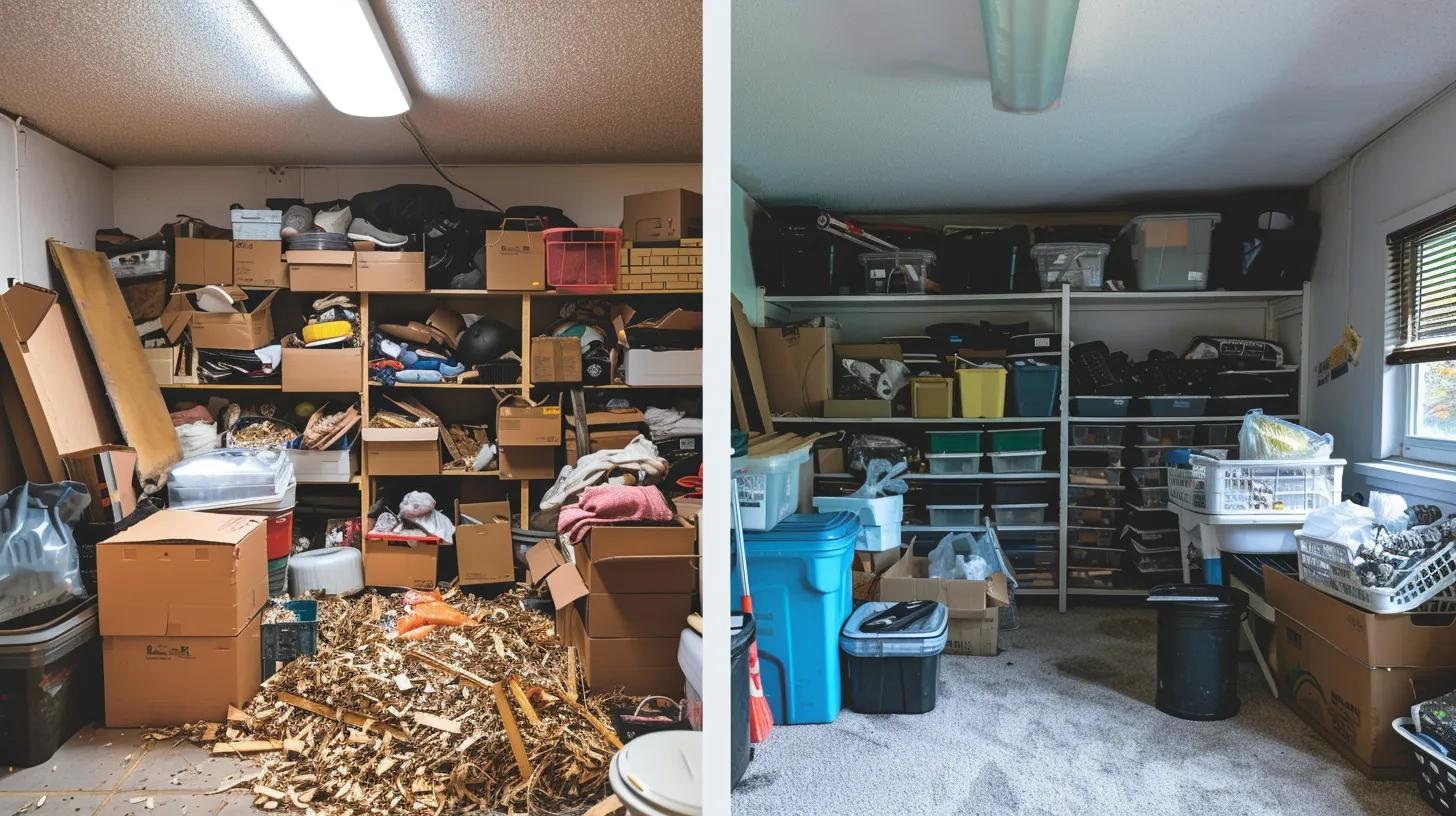
3. Clean Out Your Basement & Storage Areas (Week 2-3)
Clutter is a pest's dream home. Spring cleaning isn't just about organization—it's pest prevention.
- Remove boxes and cardboard: Rodents love nesting in cardboard. Use plastic bins instead.
- Vacuum thoroughly: Vacuum all corners, under shelves, and along baseboards. Dead insects attract other pests.
- Seal food in airtight containers: Pet food, pantry items, and bird seed should be stored in sealed plastic containers, never in bags.
- Declutter spaces: Rodents and insects hide in clutter. Get rid of items you don't need.
- Check for existing droppings or evidence: If you find rodent droppings, dead insects, or pest damage, this is a sign you may already have an infestation and need professional help.
Note: If you discover an active infestation during spring cleaning, professional clean-out services are much more effective than DIY attempts. A single pair of rodents can become dozens in weeks.
4. Install or Repair Screens (Week 2)
Proper ventilation is important in spring, but not at the expense of pest entry.
- Check window screens: Look for holes, tears, or gaps. Replace damaged screens.
- Install door sweeps: Ensure all exterior doors have door sweeps. Rodents can squeeze through gaps as small as a dime.
- Repair vent screens: Dryer vents, bathroom vents, and foundation vents should all have fine-mesh screens.
5. Inspect Interior Plumbing (Week 2-3)
Moisture attracts pests, and plumbing is a common entry point.
- Check under sinks: Look for leaks or water damage. Rodents love damp areas.
- Inspect pipes: Gaps around pipes where they pass through walls are rodent entry points. Seal with caulk or steel mesh.
- Check basement for moisture: Use a dehumidifier if needed. Excessive moisture attracts cockroaches and other pests.
6. Secure Your Kitchen (Week 3)
Food attracts pests. Make your kitchen inhospitable to them.
- Store food properly: No open packages. Use glass or plastic containers with tight lids.
- Clean appliances: Remove crumbs and grease from behind and under the refrigerator, stove, and microwave.
- Don't leave pet food out: Feed pets only during meals, then remove bowls and clean.
- Secure trash: Use sealed trash cans, not open bags. Keep trash cans outside, not in the kitchen.
- Clean regularly: Wipe down counters and floors daily. Crumbs are an all-you-can-eat buffet for insects.
7. Address Ant & Wasp Issues (Week 3-4)
Early intervention prevents major infestations:
- Look for ant trails: If you see ants in spring, identify where they're coming from. Eliminate food sources and entry points.
- Inspect for wasp nests: Check eaves, deck corners, and under soffits. Early-stage nests are tiny and easy to treat. Once established, they're more dangerous and require professional removal.
- Seal cracks where ants enter: Unlike rodents, ants don't need large gaps. Even hairline cracks can be ant highways.
For carpenter ant problems or wasp removal, professional treatment is much more effective than DIY methods.
8. Schedule a Professional Spring Inspection (End of April)
Even if you don't see any pests, a professional inspection catches problems you might miss.
- Rodent detection: Professionals use techniques to detect rodent activity you can't see.
- Hidden entry points: Exterminators know where rodents hide and what gaps matter most.
- Prevention recommendations: A customized prevention plan based on your home's specific risks.
When DIY Prevention Isn't Enough: Call the Professionals
Spring is also the perfect time to enroll in a professional pest control program. Here's why:
If you're seeing ANY of these signs, don't wait:
- Rodent droppings anywhere in your home
- Chewed wood, insulation, or wires
- Unexplained holes in walls or foundations
- Any live pest sightings
- Musty or strange odors (sign of pest nesting)
- Carpenter ant damage or sawdust
Valkyrie's Spring Residential Programs
Valkyrie offers tiered residential programs designed for different pest pressures:
- Viking Services: Focused on rodent control—perfect if rodents are your primary concern.
- Valhalla Services: Covers rodents, spiders, and ants—ideal for comprehensive spring protection.
- Valkyrie Services: Full protection against rodents and all insects—our most comprehensive program.
- Shield Maiden Services: Monthly service for properties with higher-than-average rodent pressure.
Spring is our busiest enrollment season—and for good reason. Customers who enroll in March and April stay pest-free all season long.
Spring Pest Prevention Timeline at a Glance
TimelineActionEarly MarchInspect foundation, roof, and exterior sealsMid-MarchTrim vegetation, remove debris, clean guttersLate MarchDeep clean basement and storage areas; seal interior gapsEarly AprilSecure kitchen, fix screens, check for ant/wasp activityLate AprilSchedule professional inspection; enroll in spring program
Get Professional Help Today
If you'd rather leave spring pest prevention to the experts, Valkyrie Pest Solutions is ready to help. We're currently offering $50 off spring services, plus a free inspection with any new program enrollment.
We serve all of Winnipeg and surrounding areas including Steinbach, Stonewall, Gimli, and more.
Get your free spring pest inspection today—and enjoy peace of mind all season long.
Ready to Take Action?
Don't wait for pests to find you. Spring is the ideal time to prevent infestations before they start.
Schedule Free Estimate
Or call us directly: 204-914-4515
Frequently Asked Questions
How often should I inspect my home for pests?
Ideally, conduct a basic inspection quarterly (spring, summer, fall, winter). A professional inspection from Valkyrie Pest Solutions is recommended at least annually, more frequently if you've had pest issues in the past.
Can I prevent all pests on my own?
DIY prevention can reduce pest activity significantly, but complete prevention requires professional expertise. Rodents are especially difficult—they can fit through gaps the size of a dime and enter from unexpected places. Professional exclusion services are the gold standard for rodent prevention.
Is spring pest control more expensive than waiting until summer?
No—spring prevention is more affordable than treating an established infestation. Plus, Valkyrie is currently offering special spring pricing.
What should I do if I find pests during my spring inspection?
Contact us immediately. The faster you act, the easier (and more affordable) treatment will be. For active rodent infestations, our rodent control program provides ongoing monitoring and elimination.
About Valkyrie Pest Solutions: Valkyrie is a female-owned, certified pest control company serving Winnipeg and Manitoba with certified technicians trained in safe, effective pest elimination. We approach every customer's situation with compassion and honesty, treating your home as if it were our own. Learn more about our mission and values.
More from our blog
Choosing the Right Pest Control Service: Viking vs. Valhalla vs. Valkyrie Programs Explained
Common Winter Pests in Winnipeg: A Closer Look at Rodents, Cockroaches, and Spiders

How Winnipeg Residents Can Prevent Rat Issues: Essential Rat Proofing Tips and Strategies

