

Effective Wasp Removal Methods in Winnipeg: Professional Solutions and Prevention Strategies to Know
Discover how to safely identify, remove, and prevent wasp nests in Winnipeg. Learn when DIY removal is appropriate, when to hire professionals, and how to keep your property wasp-free.
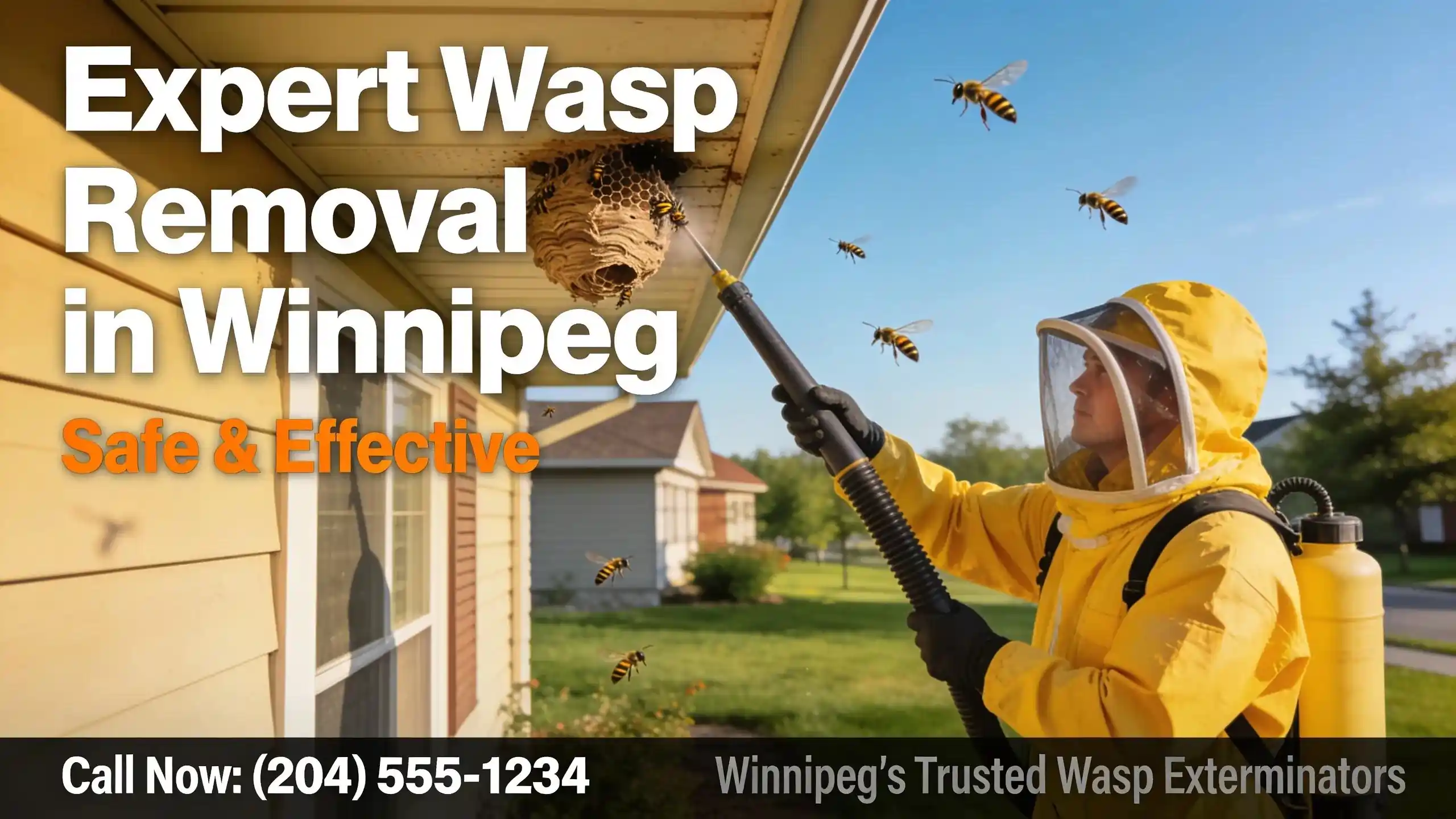

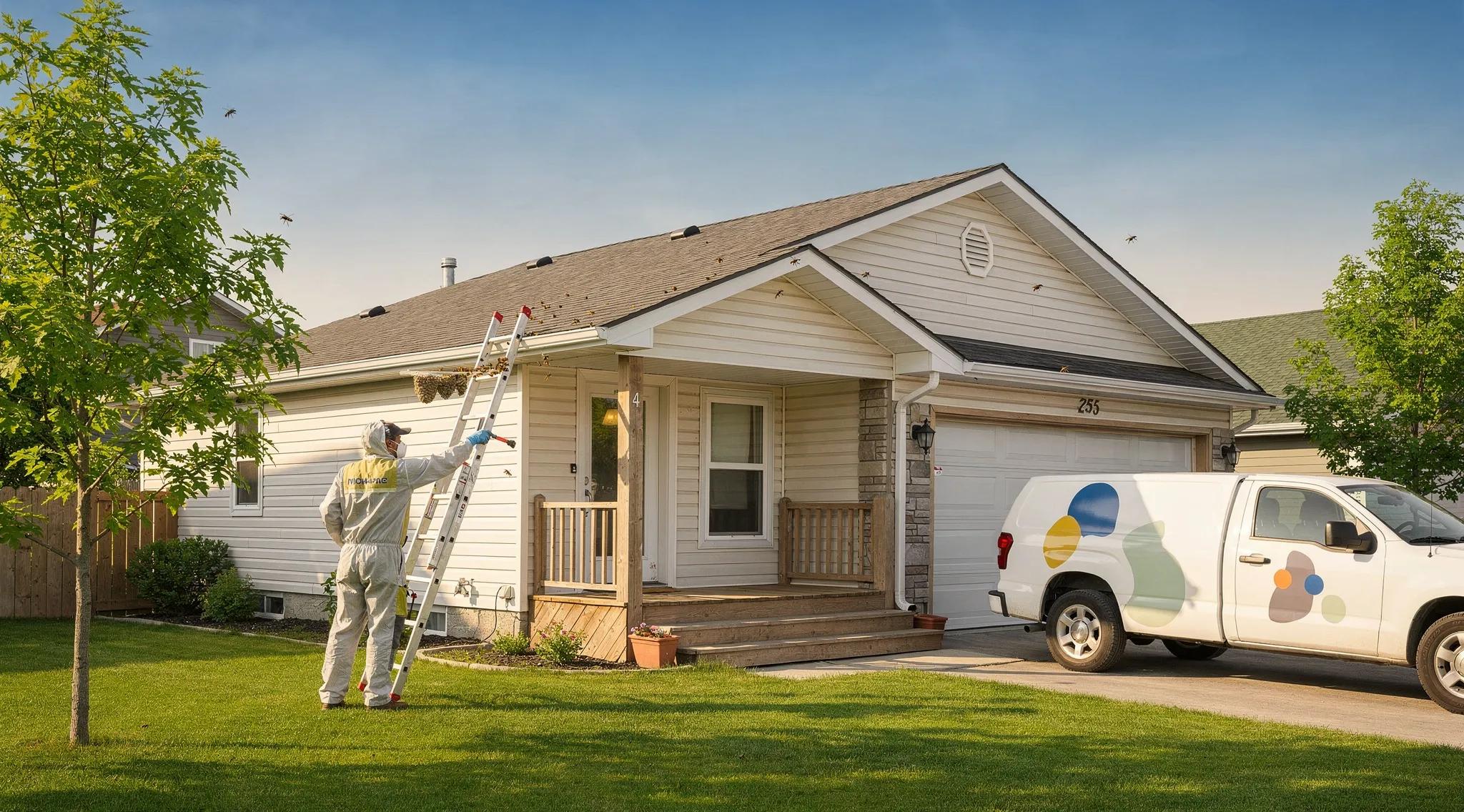
Wasp infestations create tangible safety hazards, especially during warmer months when activity increases. This guide summarises identification, behaviour and removal methods, outlines services from professional providers such as Valkyrie Pest Solutions, and sets out practical steps to reduce future risk to households and property.
Professional Solutions:
Effective control typically requires trained technicians using proven procedures to protect people and property. Providers like Valkyrie Pest Solutions carry out detailed inspections, apply targeted treatments and remove nests with methods designed to minimise sting risk and collateral damage.
For larger or complex infestations, engaging a qualified professional is generally the safest and most effective course of action.
Professional Wasp Management Strategies
Individuals representing professional and volunteer conservation managers, private.
Improving current wasp management towards eradication, M Howse, 2024
Prevention Strategies:

Consistent prevention reduces the likelihood of nests near homes. The steps below focus on removing attractants and limiting nesting opportunities around residential properties.
- Regular Inspections: Routinely check for new nests before they become established, particularly in hidden locations like under eaves and in trees.
- Maintaining Clean Outdoor Areas: Ensure garbage bins are tightly sealed and outdoor food is promptly cleaned up to minimize food sources for wasps.
- Early Nest Removal Practices: Remove small nests early in the season when they are less populated and easier to manage.
These proactive measures, used together with professional support where appropriate, help preserve a safer outdoor environment.
Valkyrie Pest Solutions offers tailored insect control plans to address existing wasp activity and reduce the risk of recurrence; contact details are available on their website for specific guidance.
Best Practices for Residents:
Adopting straightforward safety routines reduces the risk of unwanted encounters. The practices below are practical and suitable for routine use around homes.
- Eliminating Standing Water: Remove sources of standing water where wasps may go to drink, as this can attract them to your property.
- Using Protective Gear: Always wear protective clothing when engaging in yard work or outdoor activities in areas prone to wasp activity.
- When to Seek Professional Help: If a nest is discovered or if you face a severe infestation, it's vital to contact a professional pest control service like Valkyrie Pest Solutions promptly.
Following these practices improves safety and supports effective, controlled management of wasp populations.
What Are the Common Wasp Species and Their Behaviors in Winnipeg?
Winnipeg frequently hosts species such as yellow jackets and paper wasps. Yellow jackets often nest in ground cavities or wall voids and can behave aggressively, while paper wasps commonly build exposed, umbrella-shaped nests beneath eaves.
Understanding Aggressive Wasp Species for Effective Removal
Yellowjacket colonies are generally more aggressive than paper wasps because of their larger colony size and defensive behaviour.
Paper wasps, yellowjackets, and other stinging wasps, 2004
How Do Wasp Behaviors Influence Nest Locations and Removal Safety?
Differences in species preferences determine nest locations and the hazards they present. Ground-nesting yellow jackets carry different risks from paper wasps under eaves, and recognising these patterns informs the protective measures and safe distances required during any intervention.
Tips for Identifying Wasp Nests:
Identification relies on observing visual cues and activity patterns. The signs below are reliable indicators to help decide whether to monitor, remove or call a professional.
- Visual Signs of Nests: Look for dome-shaped nests made from paper-like material, often located under eaves or in trees.
- Behavioral Cues to Watch For: Note the frequency of wasp activity in a particular area; higher numbers indicate a nearby nest.
- Safe Distances to Maintain: Always maintain a safe distance when observing wasp activity to avoid provoking them.
Applying these identification strategies supports clearer planning for removal and more effective communication with pest control professionals.
Advanced Technologies for Wasp Nest Detection and Removal
Recent work highlights early detection methods and the role of advanced technologies—such as artificial intelligence, drones and radio telemetry—for locating nests.
Recent advances and avenues for the pest management of invasive social wasps and hornets, PJ Lester, 2025
Safety precautions for Removal:
Safety is the primary concern when addressing nests. Recommended precautions include wearing suitable protective clothing, favouring indirect treatment methods where possible, and keeping bystanders and pets clear of the area during any intervention.
- Protective Gear Recommendations: Use proper gear such as gloves, goggles, and long sleeves to minimize sting risks.
- Safety Techniques for Removal: Employ indirect methods, such as using insecticides from a safe distance or hiring professionals for direct removal.
- When to Call a Professional: If a nest is large or in a high-traffic area, always prefer professional services for safe removal to avoid personal injury.
Adhering to these precautions helps protect residents and ensures that wasp control remains measured and effective.
How Can You Identify Wasp Nests Safely in Winnipeg Properties?
Homeowners should check attics, under decks, trees and other sheltered spots. Observing flight paths from a safe distance is a practical technique to locate nests without increasing personal risk.
When Is the Best Time for Safe Wasp Nest Identification and Inspection?
Inspections are most effective at dawn or dusk when wasps are less active. Conducting checks in spring and early summer allows detection while nests are smaller and simpler to address.
What Professional Wasp Removal Services Are Available in Winnipeg?
Valkyrie Pest Solutions delivers safety-focused wasp removal for a range of situations, from small nests to larger infestations. They provide assessments and treatment plans tailored to the property and activity level; contact information is available on their website.
What Safety Protocols and Techniques Are Used in Professional Wasp Extermination?
Professional teams follow established safety protocols: staff wear specialised protective equipment, apply targeted treatments to limit exposure, and use tools that allow nest treatment from a safe distance.
- Protective Measures for Workers: Exterminators wear specialized protective gear, minimizing the risk of stings.
- Techniques to Reduce Risk: Professionals may utilize targeted insecticides and bait traps that limit exposure to humans and pets.
- Equipment Used in Removal Processes: Specialized equipment, such as extension poles and sprayers, allows for safe treatment from a distance.
These safety-focused protocols illustrate the advantages of experienced services over ad hoc DIY attempts.
Can You Remove Wasp Nests Yourself? What Are the Risks and Precautions?
DIY removal may be possible for very small, accessible nests when an individual has the right equipment, knowledge and no allergy to stings. However, attempts can provoke aggressive behaviour and cause injury, so assess risks carefully before proceeding.
Traps or single treatments often do not resolve persistent infestations; addressing attractants and nest sources is equally necessary for lasting control.
DIY Insect Pest Traps: Limitations and Solutions
Trapping alone may not resolve persistent infestations; the source (for example exposed food or moisture) should be addressed.
Do-It-Yourself Insect Pest Traps, S Arthurs, 2025
When Should You Avoid DIY and Call a Professional Wasp Removal Service?
Seek professional help for multiple or large nests, when anyone in the household has a known severe allergy, or if you lack experience that could raise the risk of provoking wasps. In these circumstances, professional removal is the safer option.
Recognising these scenarios helps homeowners decide when to rely on trained technicians rather than attempting removal themselves.
How Can You Prevent Future Wasp Infestations in Winnipeg Properties?
Prevention depends on regular property maintenance and environmental controls. Services such as Shield Maiden Services provide options for scheduled protection and site-specific prevention plans.
What Are Practical Tips for Wasp Prevention Tailored to Winnipeg’s Environment?
Practical measures include keeping outdoor areas clean, sealing gaps in the building fabric and choosing landscaping that reduces wasp attraction.
- Keeping Outdoor Areas Clean: Regular cleaning reduces waste and food sources that attract wasps.
- Sealing Entry Points: Inspect homes for any gaps or openings that could allow wasps to enter.
- Using Deterrents in Landscaping: Certain plants can deter wasps, and strategic landscaping can help guard against infestations.
Applying these tailored measures lowers the chance of nests forming and complements professional prevention services.
What Are the Typical Costs and Booking Procedures for Wasp Removal in Winnipeg?
Costs depend on nest size, location and the level of treatment required. Homeowners should obtain a site assessment and written estimate from a reputable provider to understand likely fees for their situation.
What Should Homeowners Know About Scheduling Emergency Wasp Nest Removal?
When arranging emergency removal, consider the urgency and hazards, seasonal demand that may affect response times, and be prepared to describe the nest location and size so the provider can allocate appropriate resources.
Providing clear information and contacting professionals promptly supports a timely, well‑resourced response from pest control teams.
1. What Signs Indicate a Wasp Nest is Nearby?
Signs include persistent wasp traffic to and from a specific spot, visible paper-like domes under eaves or in trees, and repeated sightings in sheltered areas. These indicators point to an established nest and the need for cautious monitoring or professional assessment.
2. What Should You Do if You Spot a Wasp Nest?
If you locate a nest, avoid disturbing it and keep a safe distance. For small nests, protective clothing and removal at dawn or dusk can reduce risk, but for larger or hard-to-reach nests contacting a professional such as Valkyrie Pest Solutions is recommended.
3. Are There Any Natural Remedies to Deter Wasps?
Some measures can help deter wasps, including hanging imitation nests and planting repellent herbs like mint, citronella and eucalyptus. These steps may reduce local attraction but are unlikely to eliminate large infestations on their own.
4. How Often Should I Inspect My Property for Wasp Nests?
Inspect monthly during late spring and summer when wasps are active, with a focus on early season checks to detect nests while they are small and easier to manage.
5. What Time of Year are Wasps Most Active?
Wasps reach peak activity in late summer and early fall, when colonies are largest and foraging increases. Increased vigilance during these months reduces the risk of unwanted encounters.
6. What Are the Best Practices for Safe Wasp Nest Removal?
Best practices include wearing protective clothing, working at low-activity times such as dawn or dusk, using targeted treatments from a safe distance and ensuring a clear escape route. For larger or uncertain situations, engage a qualified pest control service.
7. Are There Any Health Risks Associated with Wasp Stings?
Wasp stings can cause pain, swelling and allergic reactions; in some people they may trigger anaphylaxis. Those with known severe allergies should consult a healthcare professional and carry an epinephrine auto-injector if prescribed.
Frequently Asked Questions
1. How Can Homeowners Identify Aggressive Wasp Species?
Identification begins with species behaviour and nesting habits. Yellow jackets are often more aggressive and nest in the ground or building voids, while paper wasps are typically less defensive and nest in open areas such as under eaves. Observe colouration, body shape and activity levels from a safe distance to aid identification.
2. What Precautions Should Be Taken When Observing Wasp Nests?
Prioritise safety when observing nests. Keep a significant distance to avoid provoking wasps, use binoculars to monitor activity, wear protective clothing if approach is necessary and plan a clear exit route in case the insects become defensive.
3. What Are the Consequences of Ignoring a Wasp Nest?
Ignoring a nest can increase risk, especially for those with allergies. Nests grow larger through late summer, making removal harder and more dangerous, and increased colony size raises the chance of multiple stings and severe allergic reactions.
4. What Environmental Factors May Attract Wasps?
Open food sources such as uncovered bins or leftover outdoor food, ripe fruit in gardens and standing water can attract wasps. Regular property maintenance reduces these attractants and lowers the chance of nesting nearby.
5. Is Wasp Removal Covered by Homeowners Insurance?
Insurance coverage varies and pest removal is not universally included. Review your policy or consult your insurance agent to confirm coverage; keeping records of infestations and professional removals can support any eligible claim.
6. Can Wasp Prevention Methods Be Environment-Friendly?
Yes. Many effective prevention measures are environmentally sensitive, including property cleanliness, natural deterrents such as essential oils, and planting species that repel wasps. These approaches can control wasp presence while protecting the local ecosystem.
7. How Quickly Can a Professional Address a Wasp Infestation?
Response times vary with demand and season. Professionals generally aim for prompt service, but peak periods such as late summer may extend wait times. Contact pest control as soon as a nest is identified to secure the earliest available appointment.
More from our blog

Best Pest Control Methods for Winnipeg Homeowners: Effective, Safe, and Trusted Solutions

Success Stories: How Our Pest Control Services Delivered Effective Solutions for Local Businesses and Homes
Choosing the Right Pest Control Service: Viking vs. Valhalla vs. Valkyrie Programs Explained

