

Preventing Rodent Infestations in Winnipeg Homes: Essential Rodent Control and Prevention Tips
Discover practical rodent prevention tips for Winnipeg homeowners, including early warning signs, DIY rodent-proofing, exclusion methods, and when professional pest control is the best solution.


Rodent infestations present clear health and safety risks for Winnipeg homeowners due to the local climate and urban setting. These animals reproduce quickly and can carry pathogens, so prevention is essential for a safe home. This article outlines practical rodent control methods, prevention tips and early detection techniques. It explains how to maintain a rodent-free environment, the threats rodents pose to health and property, and practical steps homeowners can take. It also describes when professional assistance, such as from Valkyrie Pest Solutions, is appropriate.
Rodent Control Strategies
Effective rodent control relies on a few proven strategies aimed at reducing infestation risk. These measures work best when combined and applied consistently.
- Exclusion Methods: Sealing entry points is vital, as rodents can squeeze through openings as small as a dime. Homeowners should inspect their premises regularly to identify potential gaps.
- Sanitation Practices: Keeping living areas clean and free of food debris is essential. Proper waste management and food storage can significantly reduce the chances of attracting rodents.
- Monitoring for Signs: Regular checks for droppings, gnaw marks, and nesting materials can help homeowners detect rodent activity early, allowing for quicker intervention.
Applying these strategies lowers rodent numbers and improves overall home safety and cleanliness. For tailored guidance and support, professional services such as Valkyrie Pest Solutions can reinforce DIY efforts.
Effective Prevention Tips
Prevention requires deliberate, routine actions. The following steps reduce the likelihood that rodents will enter or remain in a home.
- Routine Inspections: Regularly examine potential entry points around the home, such as gaps around windows, doors, and pipes.
- Pruning Shrubs: Keep landscaping neat and trimmed, as overgrown vegetation can provide shelter for rodents.
- Professional Treatments: In addition to DIY methods, professional pest control services can offer specialized treatment options that ensure a thorough approach to prevention.
Consistent application of these measures significantly lowers infestation risk. Professional teams, including Valkyrie Pest Solutions, can provide targeted expertise to complement these practices.
Early Identification of Infestation Signs
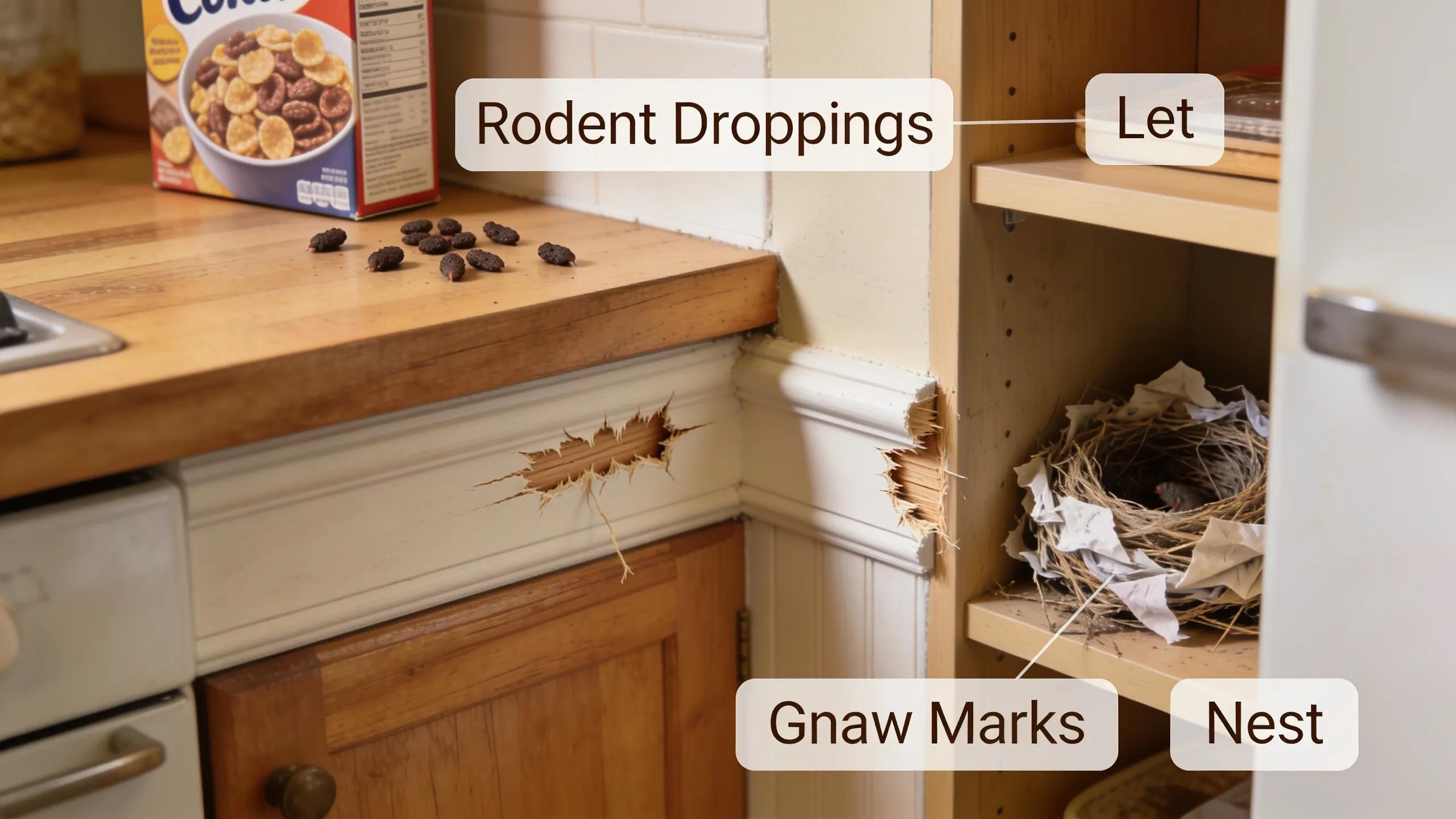
Recognising early signs of infestation enables prompt action to prevent escalation. Common indicators include droppings, gnaw marks and nesting materials.
- Droppings: Fresh droppings are often found near food sources and nesting sites. Their presence indicates active rodent populations.
- Gnaw Marks: Rodents gnaw on various materials, including wood and plastic, leaving distinct tooth marks that can reveal their presence.
- Nests: Rodent nests are typically made from shredded materials and can be located in hidden areas like attics, basements, or behind appliances.
Awareness of these signs improves the chances of timely intervention. Regular monitoring increases the likelihood of preventing significant damage.
Recommendations for Maintaining a Rodent-Free Environment
Long-term protection depends on routine maintenance and vigilance. The following practices help maintain a secure property.
- Regular Inspections: Perform frequent checks of property boundaries and potential entry points to ensure that no new vulnerabilities arise.
- Food Storage Practices: Store food in airtight containers and promptly clean up any spills to avoid attracting rodents.
- Professional Consultations: Consider annual inspections by pest control experts to identify risk areas and assess the effectiveness of existing prevention measures.
Following these recommendations builds a strong defence against infestations and helps keep living spaces safe and welcoming.
What Are the Common Rodents Affecting Winnipeg Homes and Their Risks?
Winnipeg homes commonly encounter species such as Norway rats, which adapt readily and reproduce quickly. Deer mice also occur, particularly near rural properties, and carry specific health risks; for example, Hantavirus can be transmitted via contaminated droppings. Knowing these species and their behaviours supports more effective prevention and targeted responses.
Rodent Infestations: Health Risks and Control Strategies
Rodents have been a common problem in living and working environments since humans began occupying permanent structures. Many consider infestations unavoidable, but the emergence of Hantavirus (Sin Nombre Virus, Hantavirus Pulmonary Syndrome, HPS) highlighted the serious health risks posed by rodents. This renewed attention has driven efforts to find more effective management approaches. This manual serves as a training reference to help make rodent control in buildings an achievable objective.Rodent Exclusion Techniques, 1997
How Do Rodents Affect Home Safety and Health?
Rodents pose direct health and safety hazards. They can contaminate food and surfaces with droppings, urine and fur, increasing the risk of illnesses such as leptospirosis and salmonellosis. Their gnawing can damage structures and electrical wiring, creating potential fire hazards. Maintaining a rodent-free home protects both occupants and property.
How Can Winnipeg Homeowners Identify Signs of Rodent Infestation Early?
Early detection reduces potential harm. Homeowners should watch for several clear indicators.
- Visual Cues: Observing actual rodents, particularly during twilight hours when they are most active.
- Behavioral Signs: Noticing sounds like scratching or scurrying noises, particularly in walls or ceilings, can signal rodent activity.
- Regular Monitoring: Establishing consistent monitoring practices enables homeowners to detect changes in the living environment that might signal a rodent presence.
Routine checks for these cues improve the chance of addressing infestations before they cause extensive damage.
When Should You Consider a Professional Inspection for Rodents?
Knowing when to call a professional is important. Consider expert inspection under specific circumstances.
- Persistent Signs: Ongoing signs of rodent activity despite attempts at mitigation suggest a need for expert help.
- Health Concerns: If health risks related to rodents are a growing concern, engaging professional services can provide immediate relief.
- Comprehensive Solutions: If DIY efforts have failed, a professional inspection can help identify underlying issues and provide thorough eradication strategies.
Engaging professional services, such as those provided by Valkyrie Pest Solutions, ensures targeted solutions tailored to each property and helps restore confidence in home safety.
What Are Effective DIY Rodent Prevention Techniques Suitable for Winnipeg Homes?
Homeowners can implement practical DIY techniques to reduce rodent risk, including the following well-established methods.
- Sealing Entry Points: Identify and seal any holes or gaps, especially around pipe entrances and doors, using materials like steel wool or caulk.
- Cleaning Regularly: Maintain cleanliness in and around the home, as a clean environment is less inviting to rodents.
- Setting Traps: Utilize humane traps to monitor and control rodent populations without chemicals.
These measures allow homeowners to address risks proactively and limit initial infestations.
How to Seal Entry Points and Use Safe Rodent Traps?
Sealing entry points correctly is a fundamental preventive step. Homeowners should follow clear procedures to reduce entry opportunities.
- Identify Gaps: Check for any holes or cracks in the foundation or walls of the home.
- Use Effective Materials: Seal identified gaps with materials such as caulking or metal mesh, which are difficult for rodents to gnaw through.
- Trap Placement: Position traps strategically near suspected entry points and areas where rodent activity has been spotted, ensuring safety precautions are in place.
Adhering to these practices helps limit rodent access and supports safe, effective control efforts.
Rodent-Proof Construction: Essential for Preventing Infestations
The most effective way to reduce rodent damage is to design and construct buildings that prevent rodent entry. Incorporating rodent-proof measures at the construction stage is a sound investment and is generally less costly than retrofitting later. However, inadequate maintenance—such as leaving doors or unscreened windows open—can compromise even well-constructed buildings. The techniques discussed apply both to new construction and to modifying existing structures.
Rodent-proof construction and exclusion methods, RM Timm, 1994
Which Eco-Friendly Practices Help Prevent Rodent Infestations?
Eco-friendly measures can reduce rodent pressure while supporting a sustainable home. Consider these approaches as part of an integrated prevention plan.
- Natural Repellents: Using essential oils, such as peppermint or eucalyptus, can deter rodents when applied around entry points.
- Sustainable Practices: Compost and organic gardening practices can minimize food availability for rodents, making homes less attractive.
- Community Awareness: Participating in community programs aimed at reducing waste and fostering a pest-free environment benefits all residents.
Integrating these practices supports environmental goals and contributes to reduced rodent presence when used alongside other prevention steps.
When and Why Should You Choose Professional Rodent Control Services in Winnipeg?
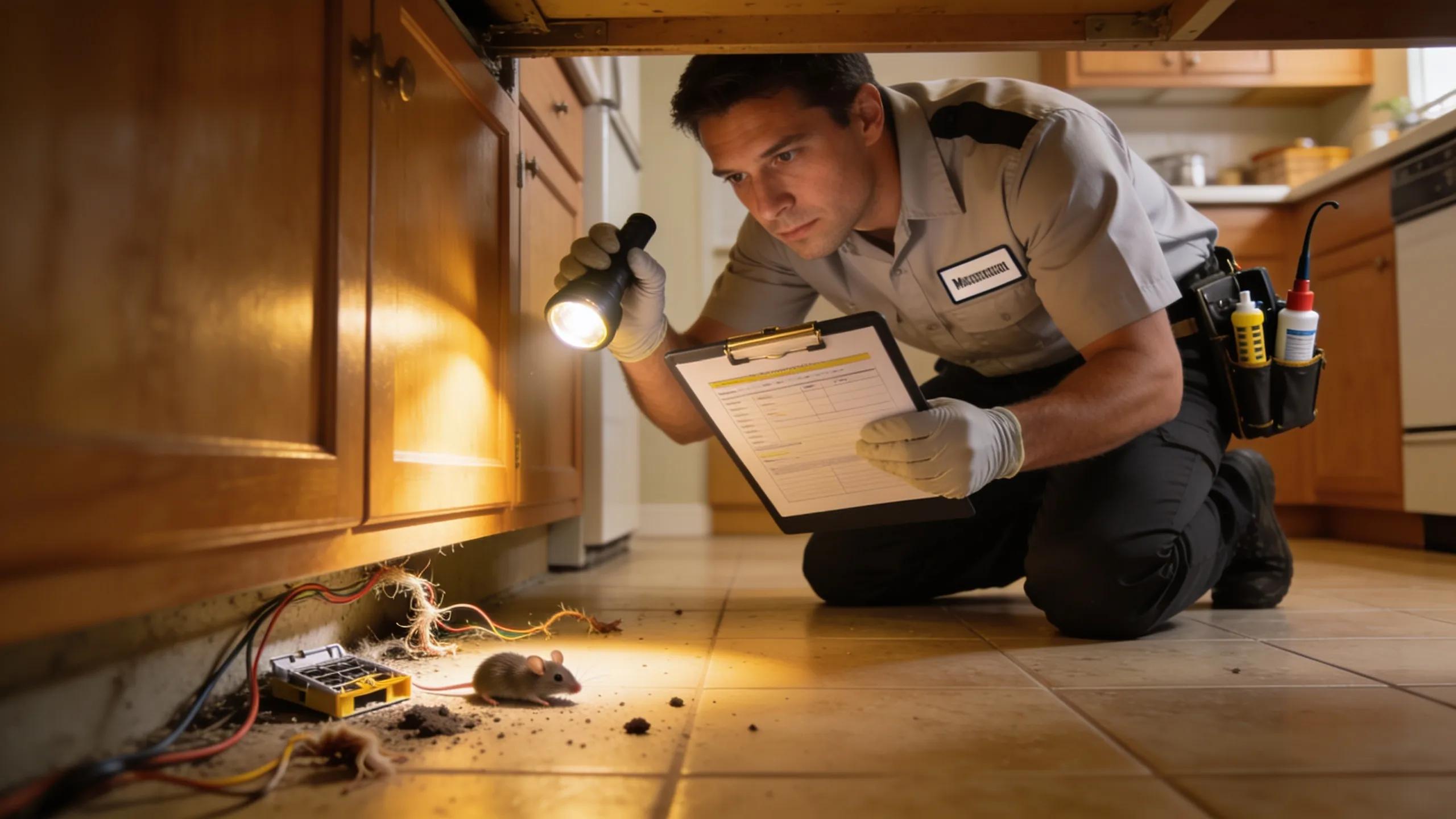
Certain situations call for professional intervention. Consider a professional when the problem is extensive, poses health risks, or when lasting preventive measures are required.
- Severe Infestations: Experiencing an extensive rodent problem that exceeds the efficacy of typical DIY methods.
- Health Risks: Concerns related to health issues arising from rodent presence warrant expert intervention for comprehensive safety.
- Long-Term Solutions: Seeking lasting solutions that include preventative measures, which professionals can help implement.
Professional pest control teams, including Valkyrie Pest Solutions, can deliver customised plans that protect occupants and reduce the chance of recurrence.
What Specialized Rodent Control Packages Does Valkyrie Pest Solutions Offer?
Valkyrie Pest Solutions provides specialised packages designed for rodent prevention and control that follow industry best practices.
- Initial Inspection: Comprehensive assessments of properties to identify vulnerabilities.
- Ongoing Monitoring: Regular follow-ups and monitoring to ensure continued protection against rodent reinfestation.
- Custom Solutions: Personalized strategies that incorporate both exclusion methods and safe extermination practices tailored to unique needs.
These packages offer a proactive, preventative approach that helps homeowners secure long-term protection against infestations.
How Does Professional Rodent Control Ensure Safe and Lasting Results?
Professional services combine thorough assessment, ongoing monitoring and established safety protocols to achieve durable results while minimising risk to people and pets.
- Comprehensive Assessments: Thorough inspections to determine problem areas and appropriate action plans.
- Follow-Up Services: Continued monitoring and adjustments to treatment plans based on evolving rodent behaviors.
- Safety Protocols: Implementation of safe and approved methods that protect not only humans but also pets and the environment.
Relying on qualified professionals gives homeowners reliable, long-term protection and greater confidence in their home's safety.
Frequently Asked Questions
1. What are the key signs that pests have infested my Winnipeg home?
Common signs include droppings, gnaw marks on furniture or walls, and visible nests. Food residue, unusual odours or night-time scurrying in walls may also indicate rodent activity. Regular inspections help catch these issues early.
2. How can I make my Winnipeg home less attractive to rodents?
Keep the home clean and free of clutter, store food in airtight containers and clean spills promptly. Outside, trim vegetation and seal exterior gaps. Proper waste management and landscape upkeep reduce access and food sources for rodents.
3. Are there natural remedies to repel rodents?
Natural options include essential oils such as peppermint, eucalyptus and citronella applied near likely entry points. Vinegar or cayenne pepper may also discourage rodents. These methods support broader prevention but may not eliminate established infestations.
4. How often should I have my home inspected for rodents?
Annual inspections are a reasonable baseline, especially in areas with higher rodent activity. If you observe signs of infestation or live in a high-risk location, more frequent checks are advisable to detect problems early.
5. What should I do if I find rodent droppings in my home?
If you find droppings, avoid direct contact. Wear gloves and a mask, ventilate the area, and clean surfaces with a disinfectant or diluted bleach solution. Monitor the area thereafter and consider contacting pest control professionals for further assessment.
6. How can community efforts help in preventing rodent problems?
Community actions—such as neighbourhood clean-ups, proper waste disposal and maintenance of shared spaces—reduce local rodent habitats. Public education and coordinated efforts make prevention more effective for all residents.
7. What are the differences between DIY rodent control and professional services?
DIY measures—sealing gaps, trapping and cleaning—are effective for minor issues and can save cost. Professional services offer comprehensive inspections, specialised treatments and monitoring that are often necessary for severe or persistent infestations. Professionals provide tailored solutions and long-term protection.
More from our blog
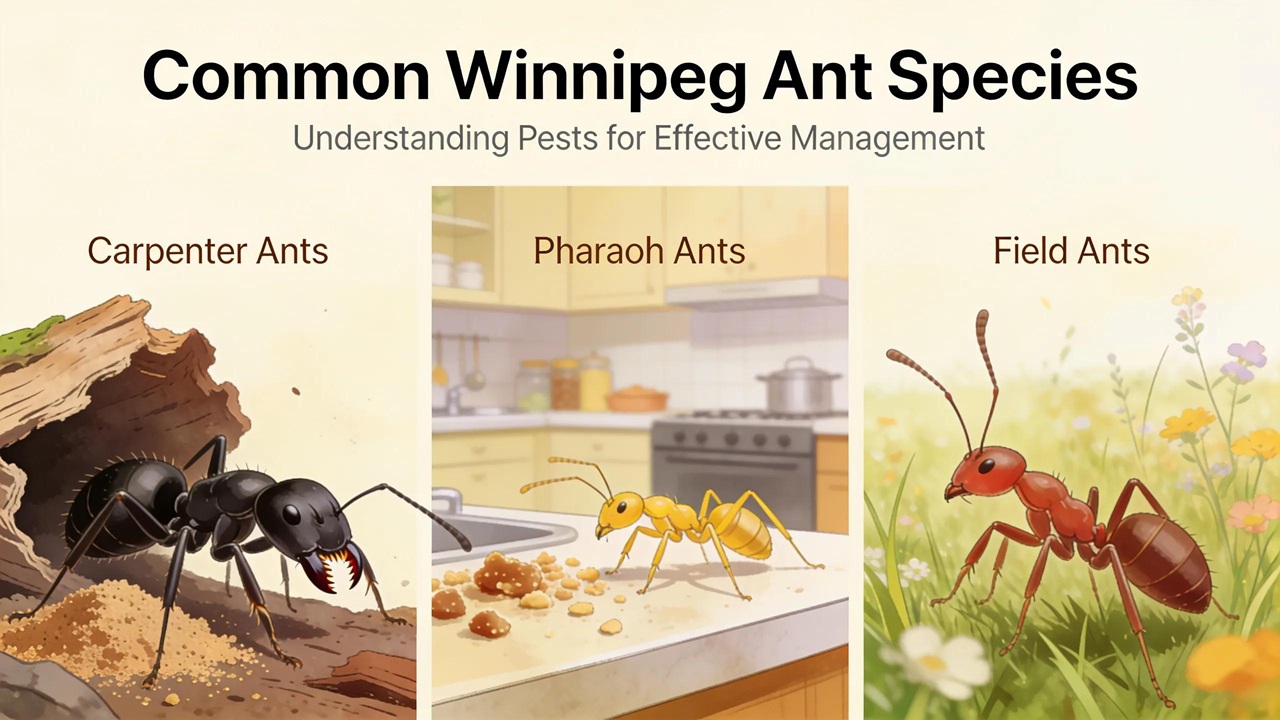
Professional Residential Ant Removal Options Near You in Winnipeg: Trusted Home Pest Control Solutions
Effective Wasp Removal Methods in Winnipeg: Professional Solutions and Prevention Strategies to Know
Best Pest Control Methods for Winnipeg Homeowners: Effective, Safe, and Trusted Solutions

